Dambulla is a busy market town on a crossroads — and, a few minutes from its clock tower, the most spectacular cave temple in Sri Lanka. For most travellers it is also the ideal base for the Cultural Triangle: Sigiriya, the elephant parks and the ancient cities are all within an hour or two. This guide explains how to make the most of it.
How long do you need?
- Half a day — the Cave Temple and the Golden Temple. This is what a day trip from Colombo or Kandy gives you.
- One night — the caves in the late afternoon, Sigiriya or Pidurangala at dawn the next morning.
- Two nights — the version we recommend: add an elephant safari and Polonnaruwa.
- Three or four nights — add Anuradhapura, Ritigala and a slow day by the pool.
Getting there
Dambulla is about 150 km from Colombo and 72 km from Kandy, with no railway station. Most travellers arrive by car with driver or by bus. Our getting here guide compares every option.
What to see
 Dambulla & Sigiriya
Dambulla Cave Temple
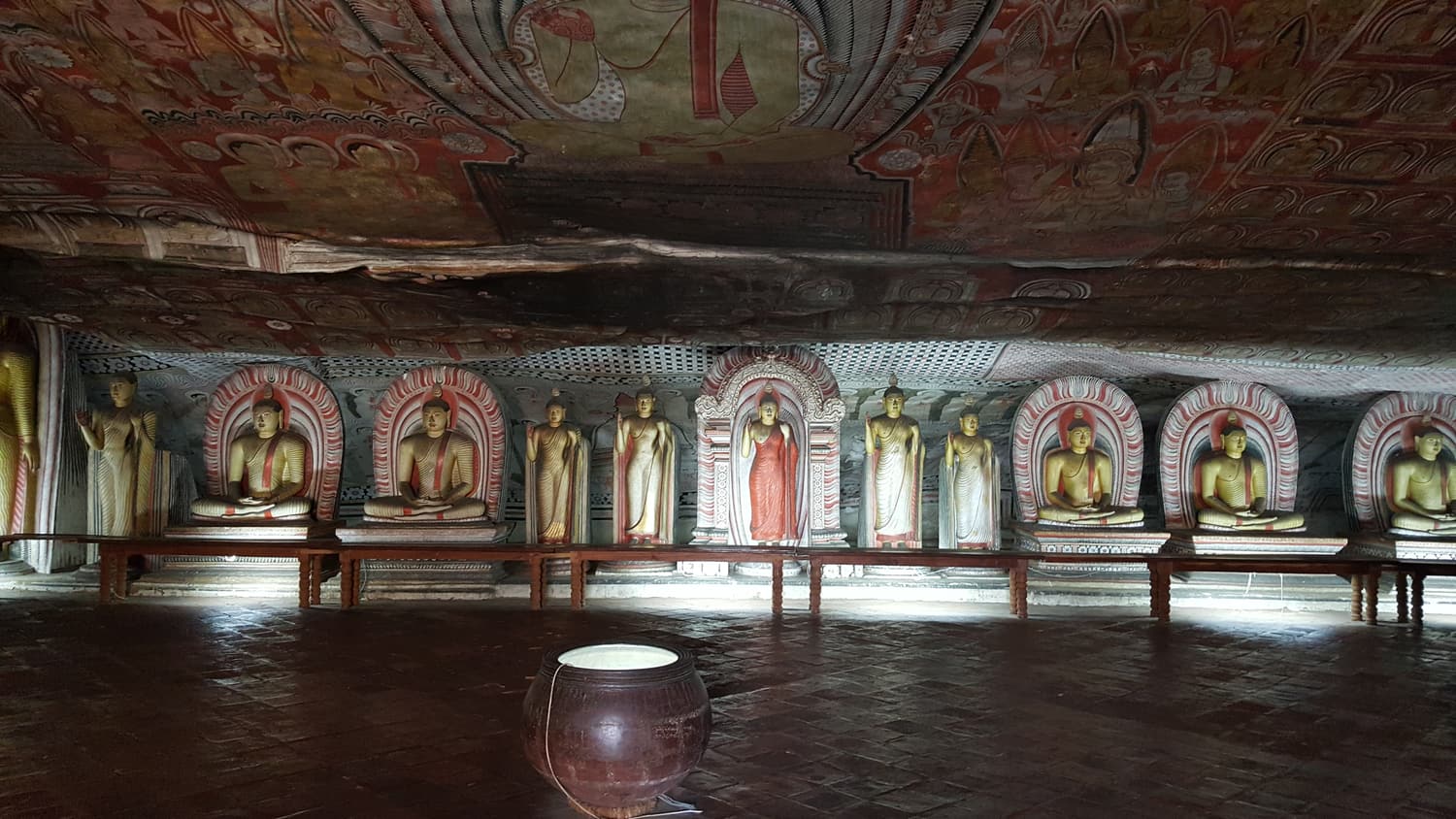
Sri Lanka’s greatest painted cave shrines
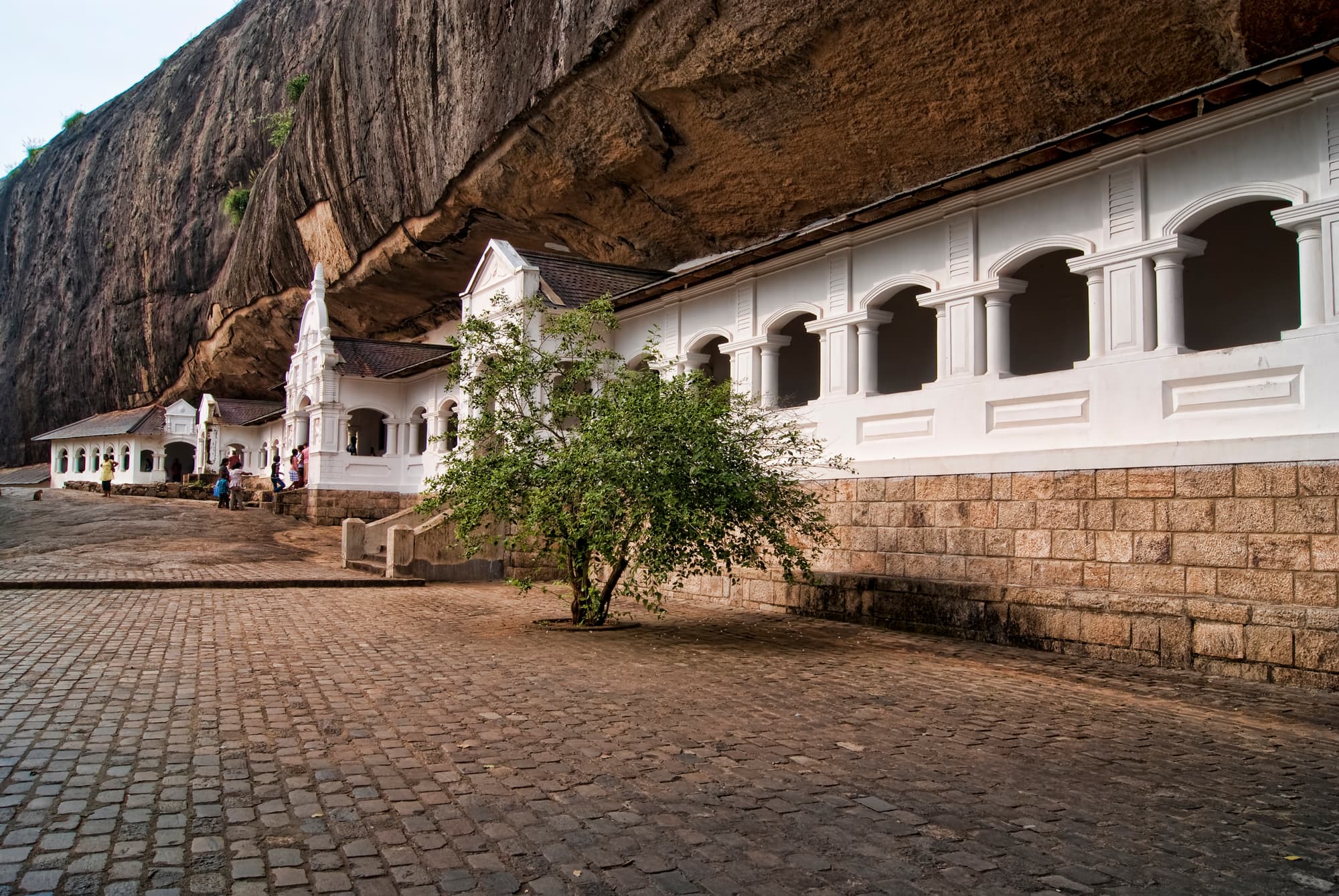
Five caves under a vast granite overhang, filled with more than 150 Buddha statues and ceilings painted edge to edge with murals. A place of worship for over two thousand years and a UNESCO World Heritage Site since 1991.
 Dambulla & Sigiriya
Sigiriya (Lion Rock)
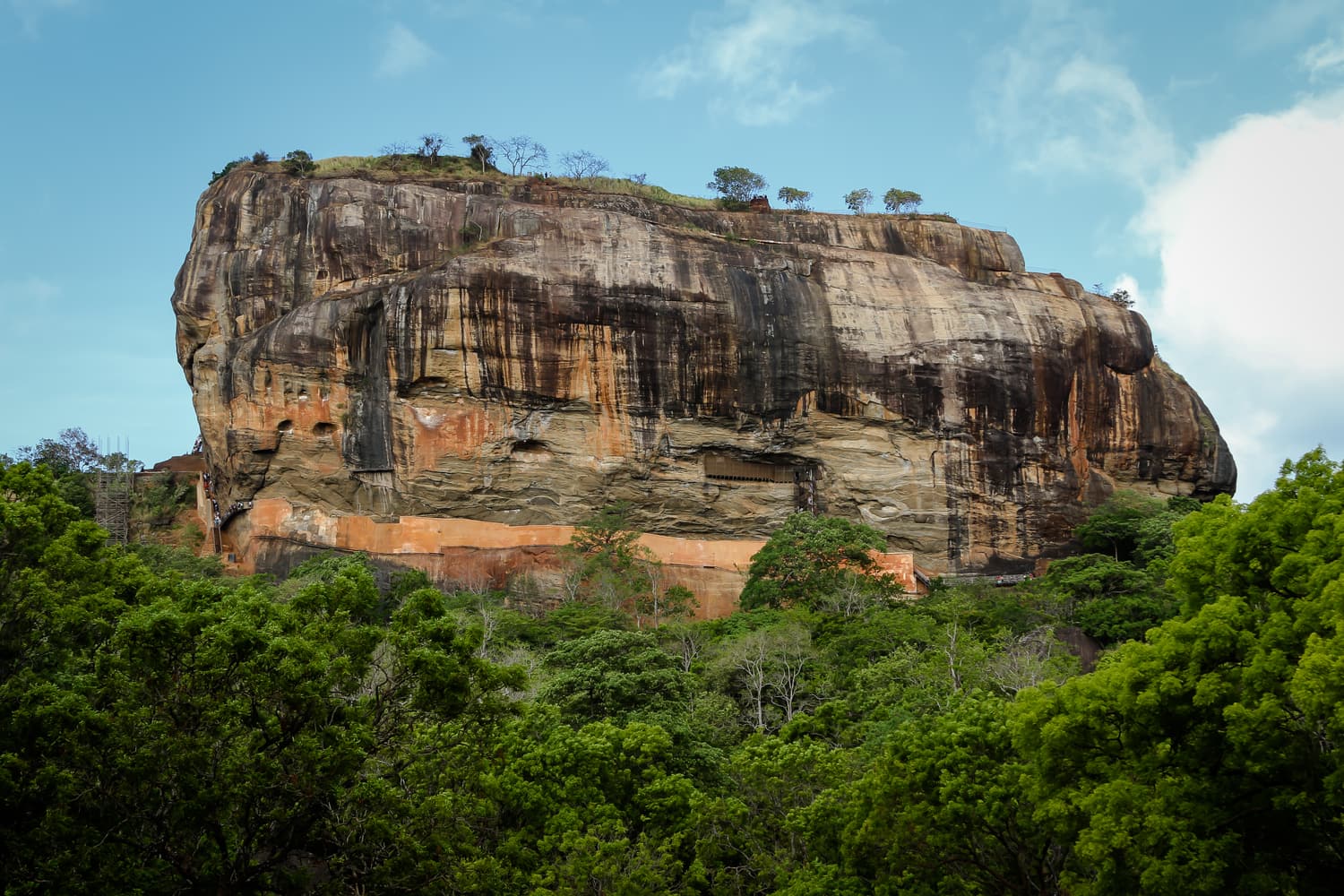
A king’s palace on top of a 180-metre rock
The fifth-century rock fortress of King Kashyapa, 20 km from Dambulla: water gardens at its feet, painted maidens halfway up, a pair of giant lion paws at the last staircase and the ruins of a palace on the summit.
 Parks & forest monasteries
Minneriya, Kaudulla & Eco Park
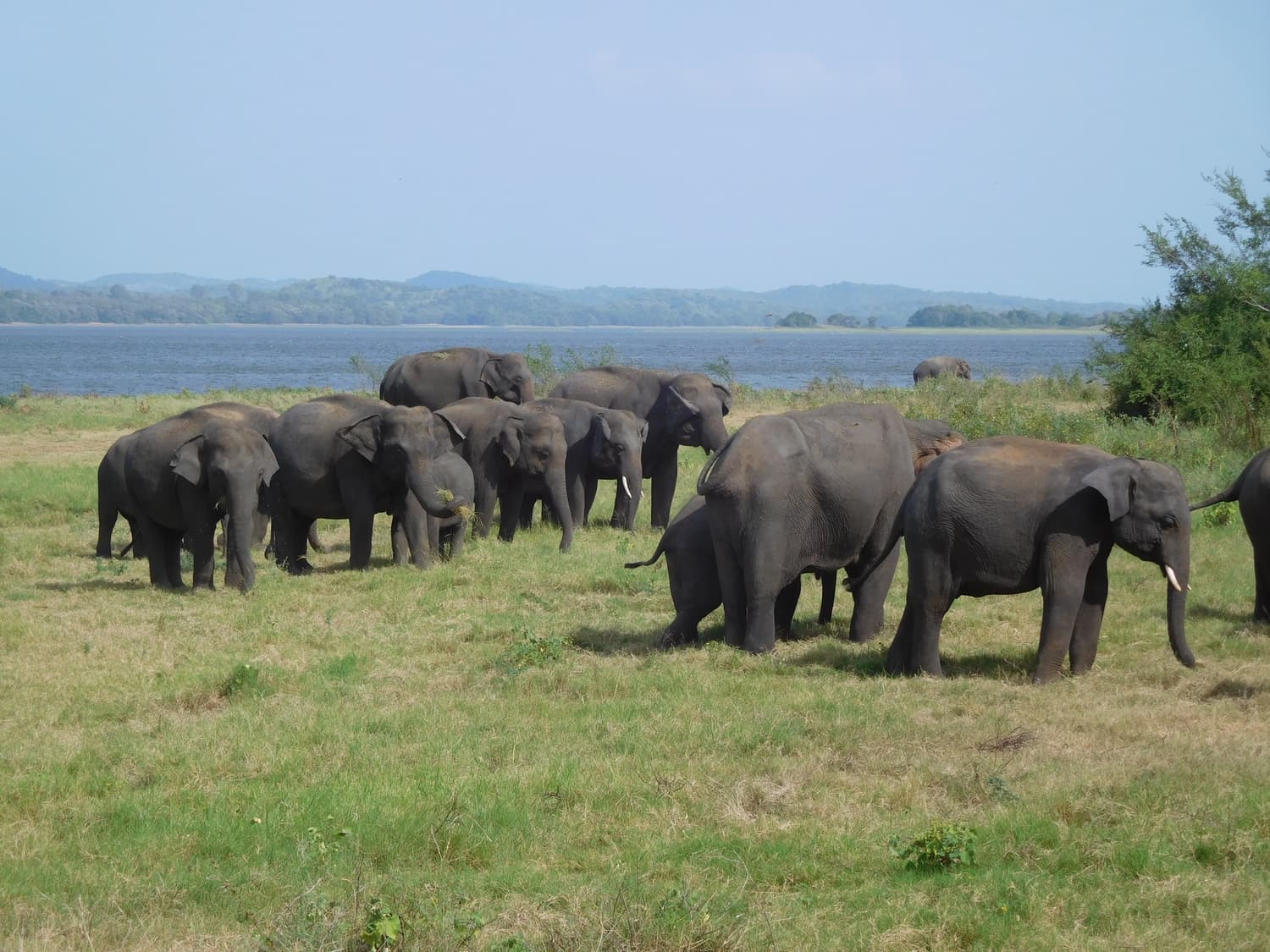
Where the elephants gather
Three linked parks around ancient reservoirs east of Habarana. In the dry season hundreds of wild Asian elephants gather on the grassy shores of the Minneriya tank — one of the great wildlife spectacles of Asia.
 Ancient capitals
Polonnaruwa
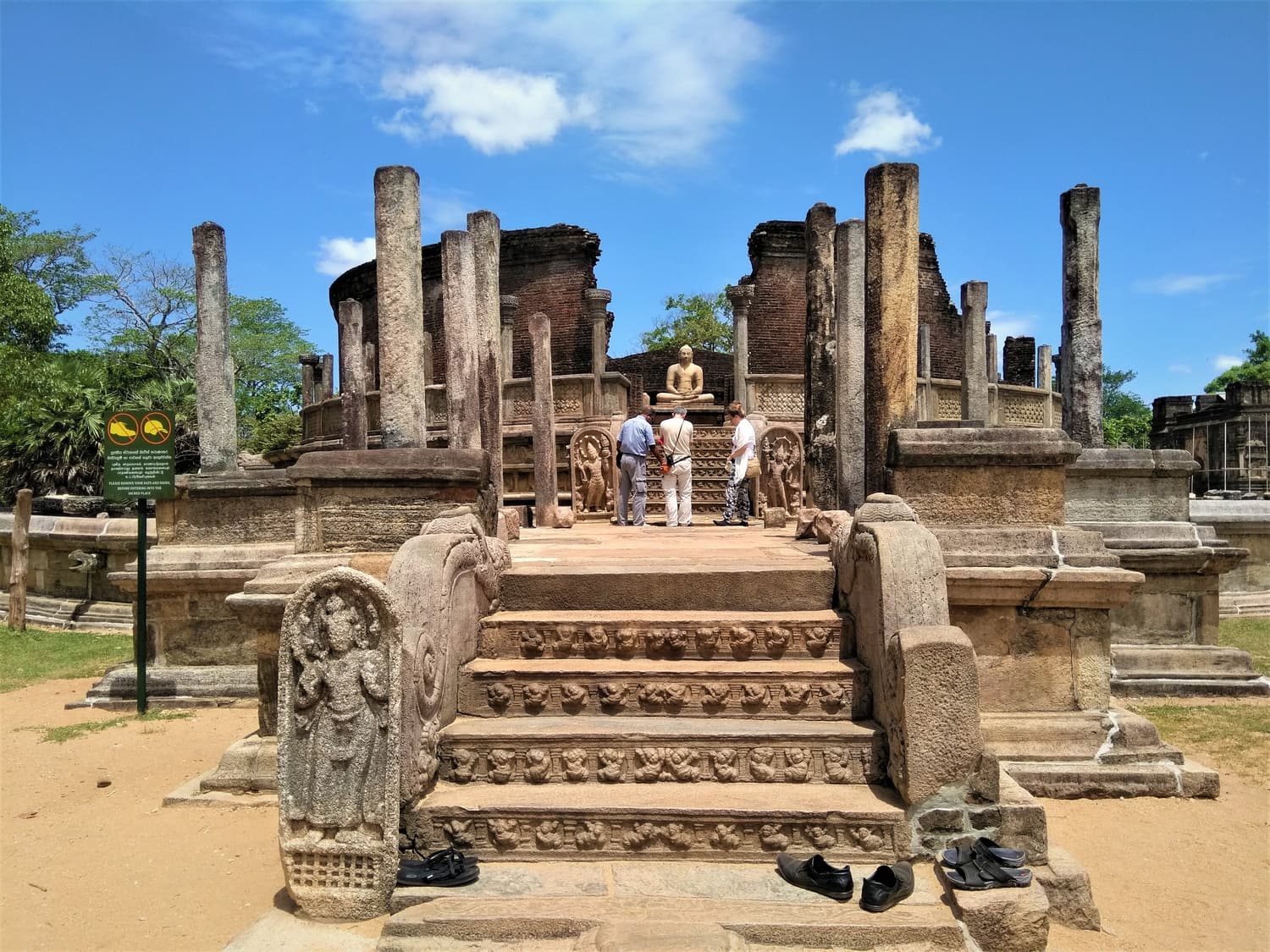
The medieval royal capital
Sri Lanka’s capital from the 11th to the 13th century, laid out beside a vast reservoir. Cycle between palaces, stupas and image houses to the four granite Buddhas of Gal Vihara, carved from a single rock face.
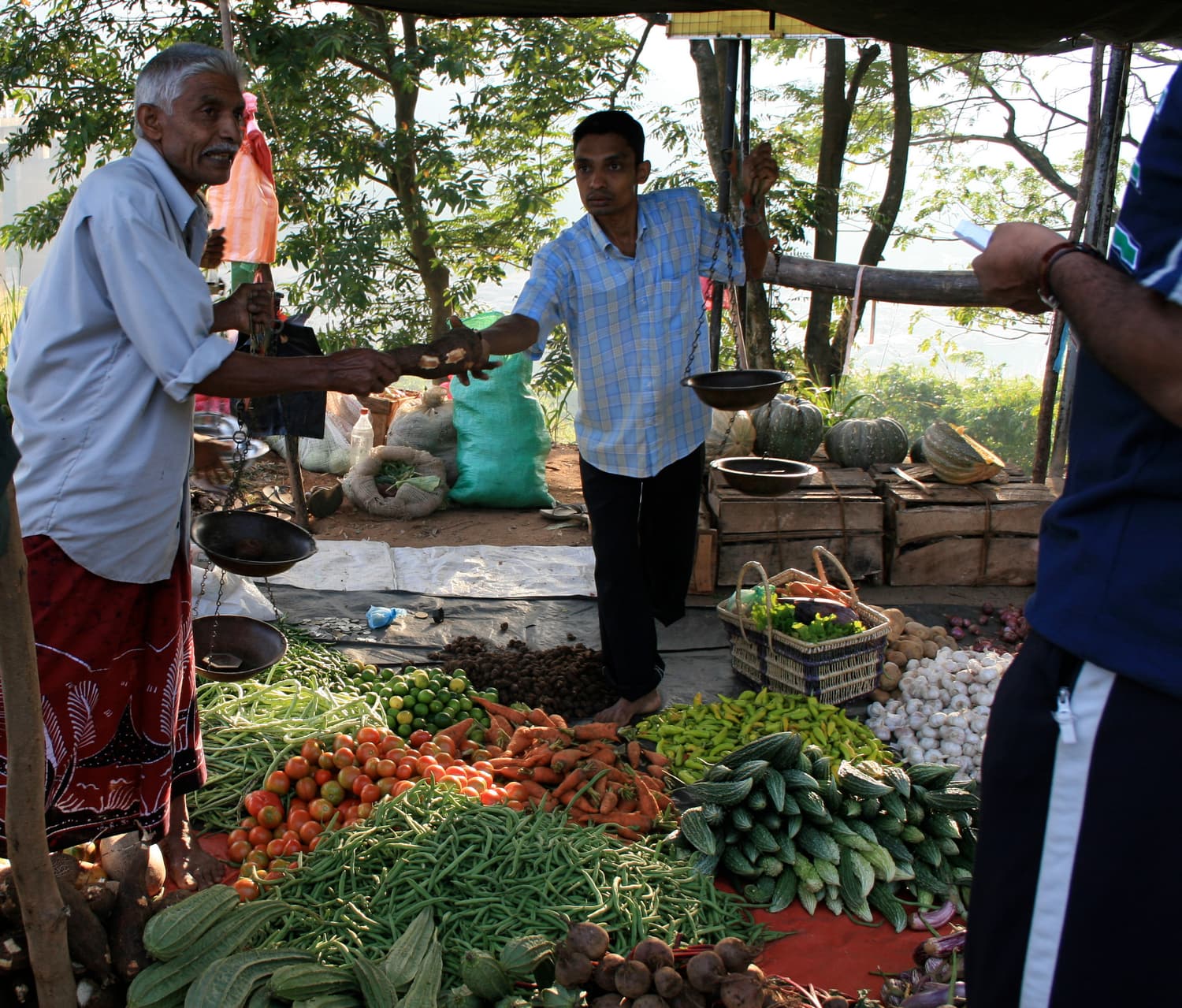
See all of them, with tickets, directions and tours, in our things to see guide. Closer to town, don’t miss the Ibbankatuwa megalithic tombs (around 2,700 years old), the Dambulla Dedicated Economic Centre — the country’s biggest wholesale vegetable market — and the Kandalama reservoir. Further afield, the 12-metre Avukana Buddha and the unusual stone temple of Nalanda Gedige make rewarding detours.
What it costs
Food and transport are cheap; entrance fees for foreigners are not. Indicative prices:
| Item | Typical price |
|---|---|
| Dambulla Cave Temple | ≈LKR 2,000 (foreign adult) |
| Sigiriya | ≈US$35, paid in rupees |
| Pidurangala | ≈LKR 1,000 |
| Polonnaruwa ancient city | ≈US$30 |
| Elephant jeep safari (half day) | from ≈US$25 per person; park fees sometimes extra |
| Rice and curry in a local restaurant | Inexpensive — usually a few hundred rupees upwards |
| Tuk-tuk Dambulla – Sigiriya | A few thousand LKR one way — agree first |
| Guesthouse double / resort | ≈US$15–40 / US$80–300+ |
Prices change often and ticket prices are revised regularly — treat these as a guide and check on the day.
What to eat
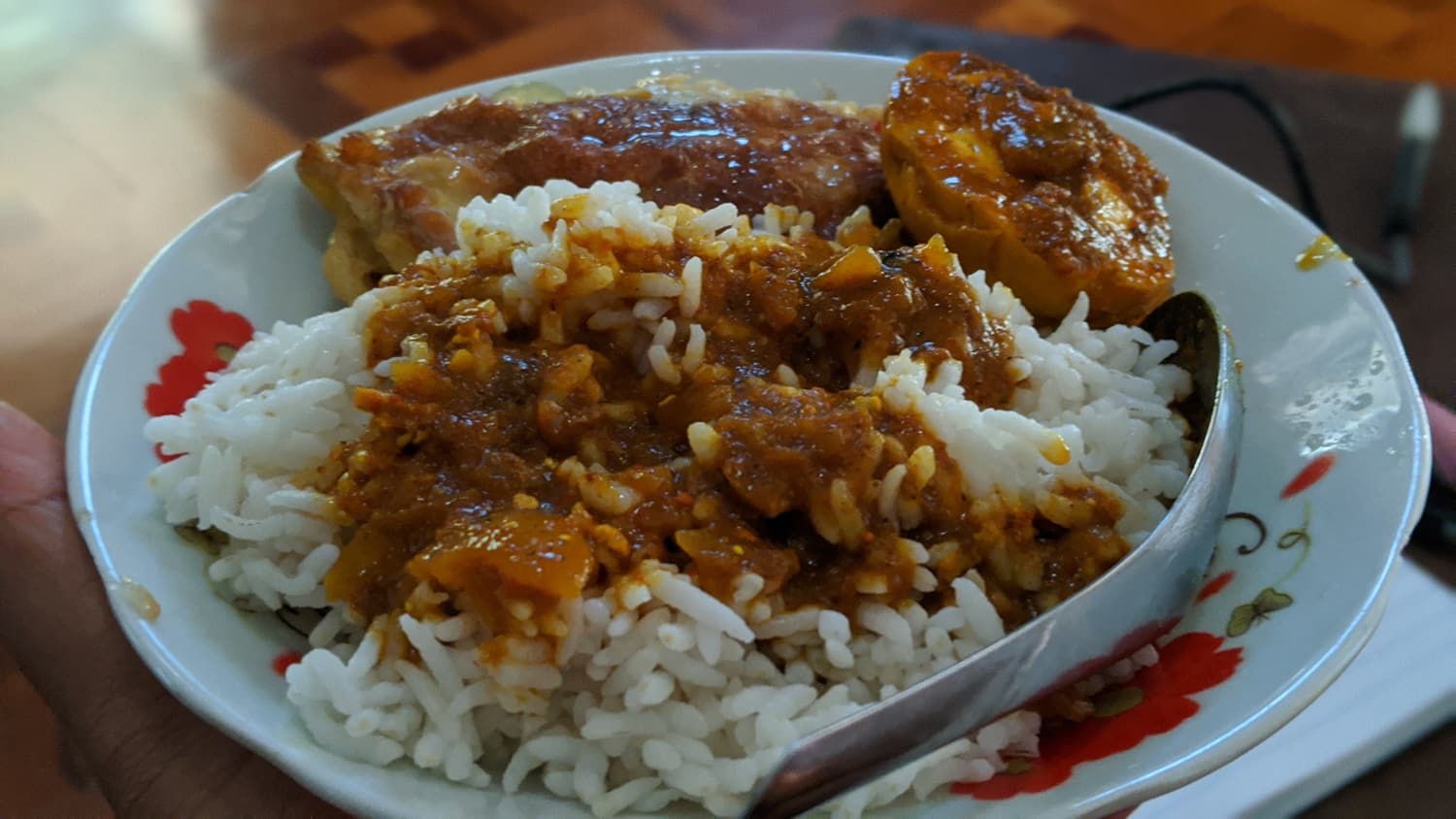
Much of Sri Lanka’s fruit and vegetables passes through Dambulla’s wholesale market, and it shows on the plate. Order rice and curry at lunchtime — a mound of rice with five to ten small curries of dhal, jackfruit, pumpkin, greens and fish or chicken. In the evening look for hoppers (bowl-shaped rice-flour pancakes, often with an egg) and kottu (chopped roti stir-fried with vegetables and spices). Try a king coconut from a roadside stall, and curd with kithul treacle for dessert. Vegetarian food is easy to find everywhere.
Where to stay
Three bases work, each with its own character:
- Dambulla & Kandalama — close to the Cave Temple and the bus stand, with lake-view resorts such as Heritance Kandalama.
- Sigiriya — for dawn climbs and village guesthouses, plus some of Sri Lanka’s best nature hotels.
- Habarana — the closest base for Minneriya, Kaudulla and Polonnaruwa.
We compare the best of each, with live rates, on our where to stay page.
Temple etiquette and dress code
- Cover shoulders and knees at every temple, including the Cave Temple and the Temple of the Tooth. Carry a sarong or scarf.
- Remove shoes and hats before entering shrine areas; socks help on hot stone.
- Never pose with your back to a Buddha statue, and don’t touch statues or murals. No flash inside the caves.
- Visible Buddha tattoos can cause serious offence and even problems with officials — keep them covered.
- On Poya (full-moon) days alcohol sales are banned and temples are busy with worshippers dressed in white.
Practical details
- Money: Sri Lankan rupee (LKR). ATMs are plentiful in Dambulla town; carry cash for tuk-tuks, small shops and temple shoe stands.
- Visas: most visitors need an ETA before arrival — apply only via the official government portal.
- Language: Sinhala and Tamil; English is widely spoken in tourism.
- Heat: the dry zone is hot year-round, often 30–34 °C by day. Start early and carry water.
- Wildlife: monkeys at the caves, and wild elephants on rural roads at dusk — drivers know to be careful, and so should you.
- Safety: Dambulla is a safe, friendly town. Agree tuk-tuk fares in advance and be sceptical of unofficial "guides" at the temple steps.
Common mistakes
- Doing Sigiriya at midday. Go at opening time — the heat and queues by 11:00 are brutal.
- Booking a morning safari. Elephants are far easier to see in the afternoon.
- Arriving at the caves in shorts or a sleeveless top.
- Trying to cram Sigiriya, the caves, Polonnaruwa and a safari into one day.
- Visiting in the gathering season without booking a safari ahead. See the tour comparison.